History!
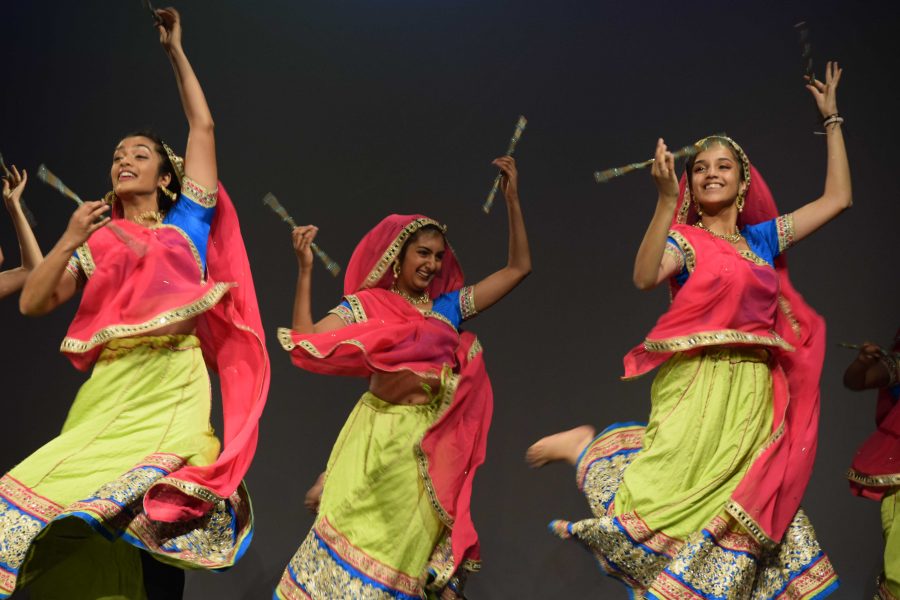
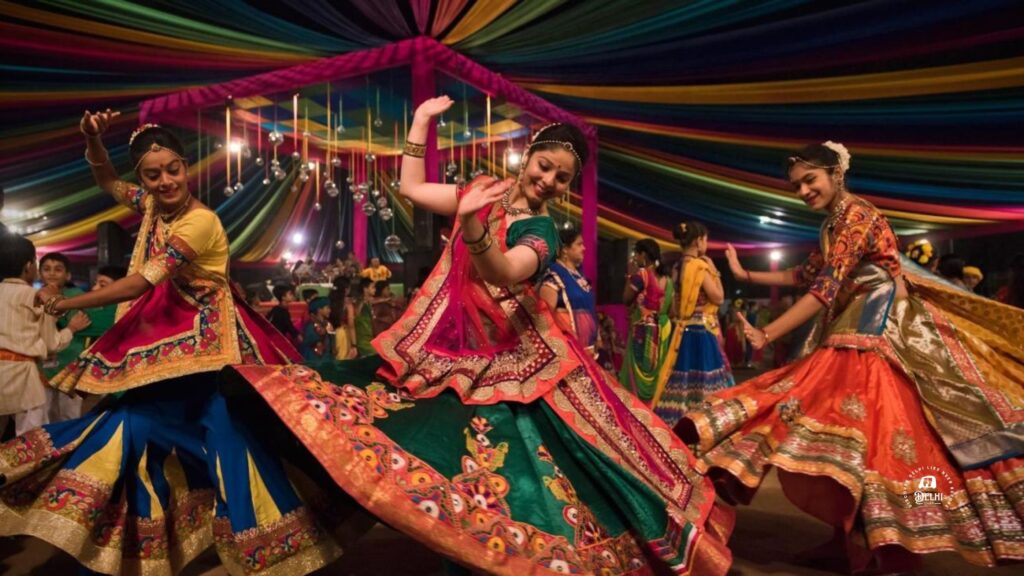
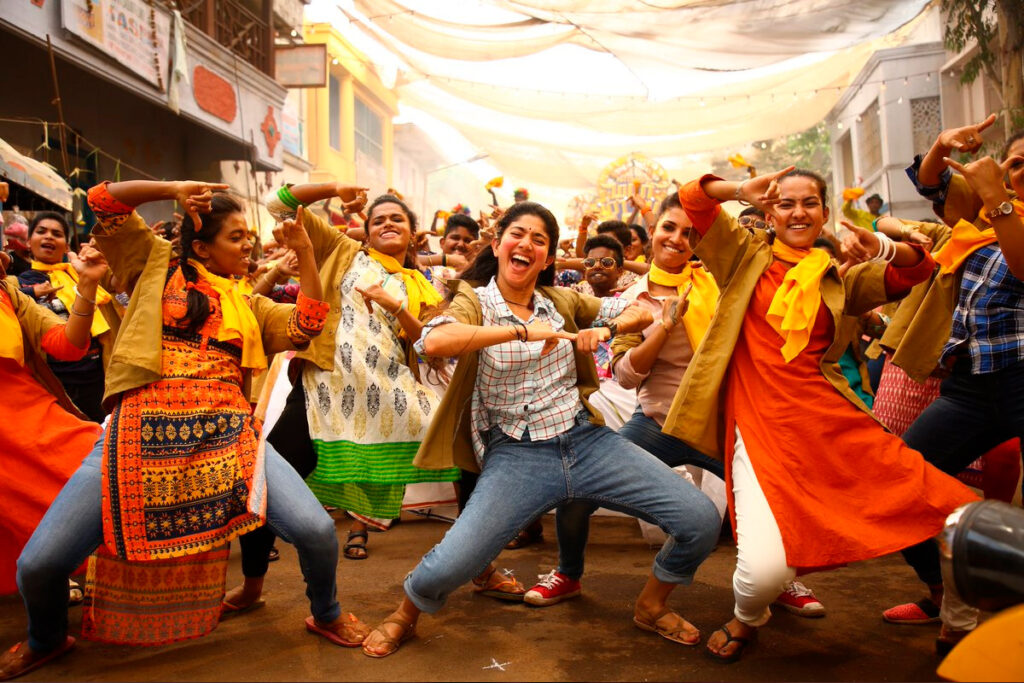
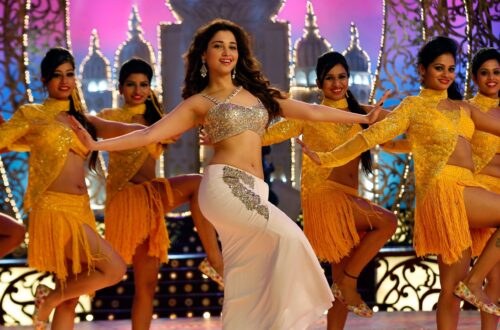
In India, folk dances depict the culture and heritage of the group from which they came. Folk dances are typically performed at communal celebrations such as birthing, festivals, and weddings. In India, there are several sorts of folk dances.
Folk dancing is related to agricultural harvest celebrations or social events such as weddings.
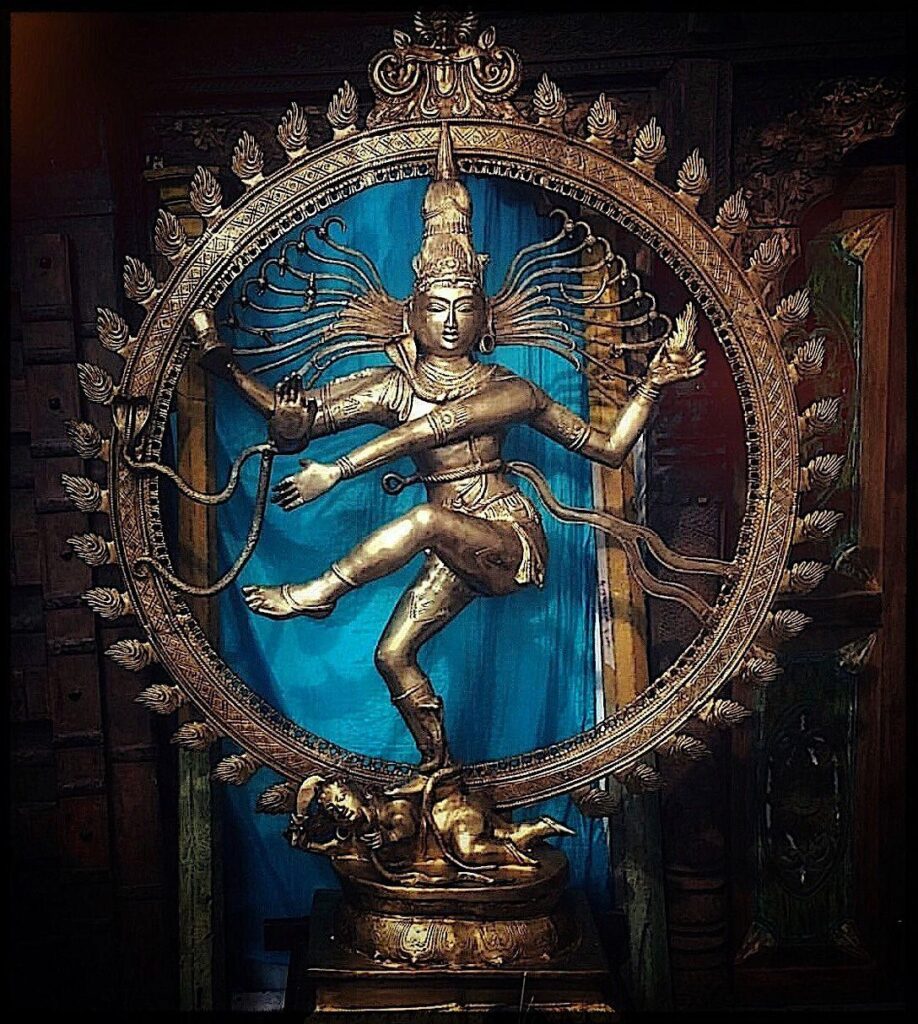
India is home to a rich heritage of classical and folk dance forms that reflect its diverse cultural and spiritual ethos. Recognized by the Sangeet Natak Akademi and the Ministry of Culture, these dances are not just art forms but are embodiments of devotion, storytelling, community traditions, and regional heritage. This article presents a verified list of Indian classical and folk dances along with their associated states and cultural significance – valuable for general knowledge, UPSC, SSC, state PSCs, and academic references.
List of Indian Classical Dances and Their Origin States
| Dance Form | State of Origin | Key Characteristics |
|---|---|---|
| Bharatanatyam | Tamil Nadu | Oldest classical dance; combines Bhava, Raga, Tala, Natya |
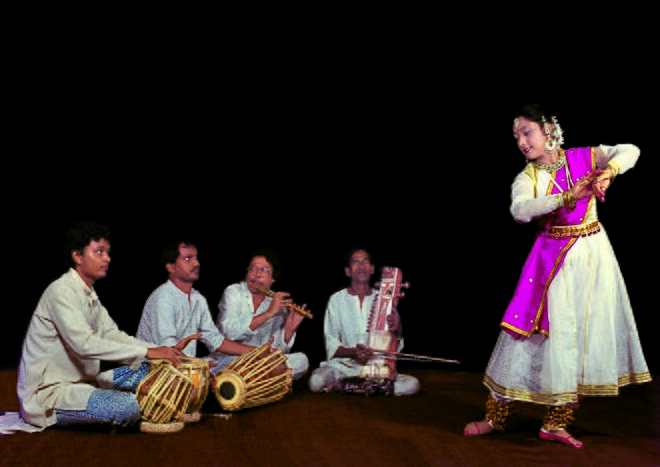
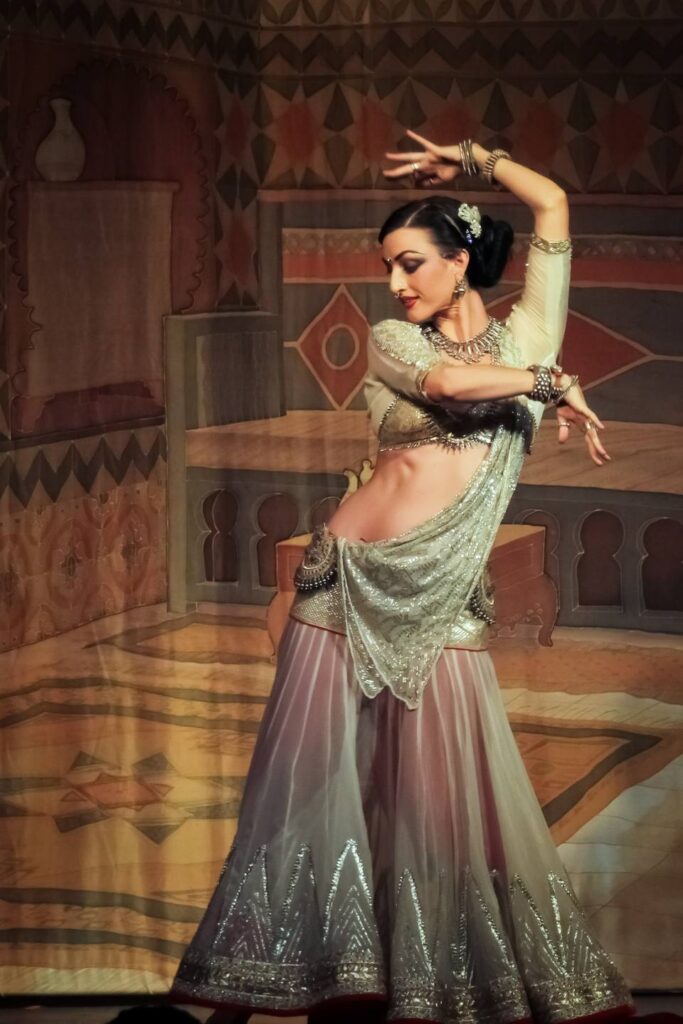
| Kathak | Uttar Pradesh | Expressive gestures; influenced by Bhakti movement & Mughal courts |
| Odissi | Odisha | Temple dance dedicated to Lord Jagannath; known for fluidity |
| Kathakali | Kerala | Dramatized storytelling with elaborate makeup & costume |
| Mohiniyattam | Kerala | Graceful feminine style; associated with temples |
| Kuchipudi | Andhra Pradesh / Telangana | Based on Natya Shastra; often combines acting and dance |
| Manipuri | Manipur | Devotional; inspired by Raslila of Krishna and Radha |
| Sattriya | Assam | Neo-Vaishnavite dance from monasteries (Sattras) |
List of Major Indian Folk Dances and Their States
| Folk Dance | State/Region | Cultural Significance |
| Bihu | Assam | Celebrates Assamese New Year; performed during Rongali Bihu |
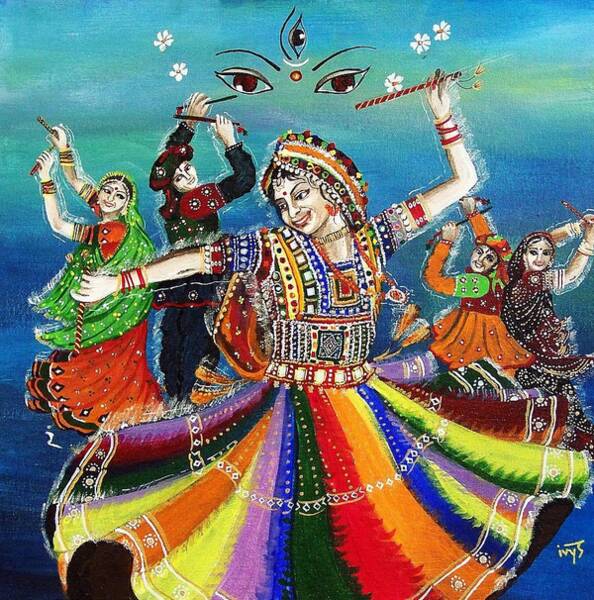
| Garba | Gujarat | Devotional dance during Navratri in circular formations |
| Ghoomar | Rajasthan | Performed by women in colorful dresses; royal heritage dance |
| Bhangra | Punjab | Vibrant harvest dance; associated with Vaisakhi festival |
| Lavani | Maharashtra | Energetic performance with powerful rhythm; focuses on social issues and romantic themes |
| Yakshagana | Karnataka | Theatrical dance-drama combining music, dance, and dialogue |
| Chhau | Odisha, Jharkhand, West Bengal | Martial and tribal roots; mythological themes with masks |
| Dollu Kunitha | Karnataka | Drum-based group dance by men; associated with Lord Shiva |
| Kalbelia | Rajasthan | Performed by Kalbelia community; serpentine dance movements |
| Rouf | Jammu & Kashmir | Women’s group dance during Eid and spring festivals |